



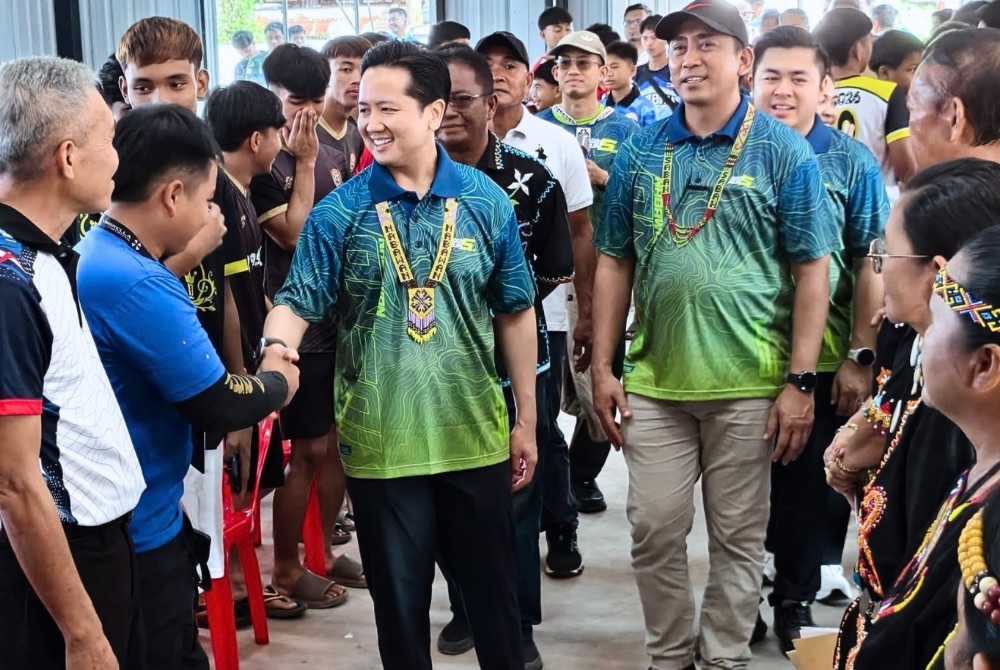
NABAWAN: Rural communities in Sabah stand to benefit from improved public facilities and skills development through the Natural Resources and Environmental Sustainability Ministry’s (NRES) MADANI Adopted Village Programme, which aims to improve living standards and encourage local participation in development.
Kampung Murni A in Nabawan is among the villages selected under the 2026 programme, with infrastructure improvements and practical technical training introduced to benefit residents, particularly the younger generation.
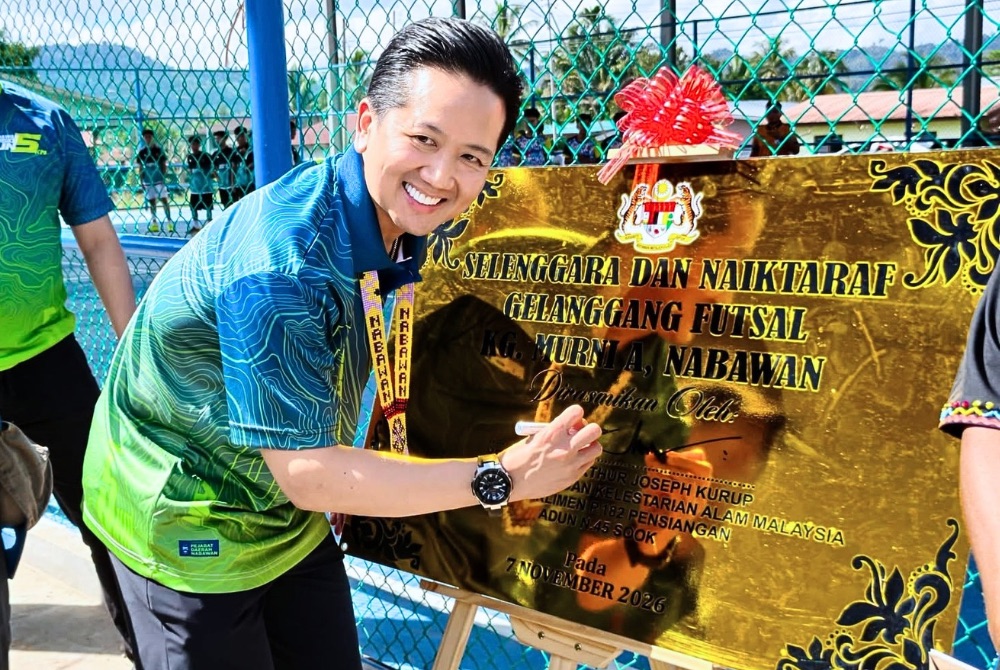
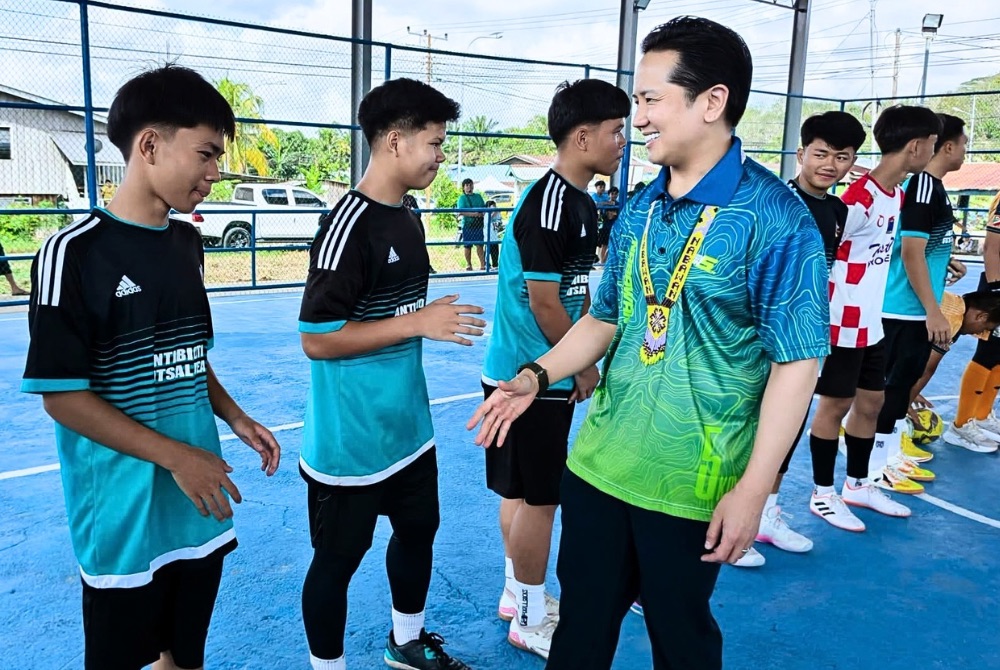
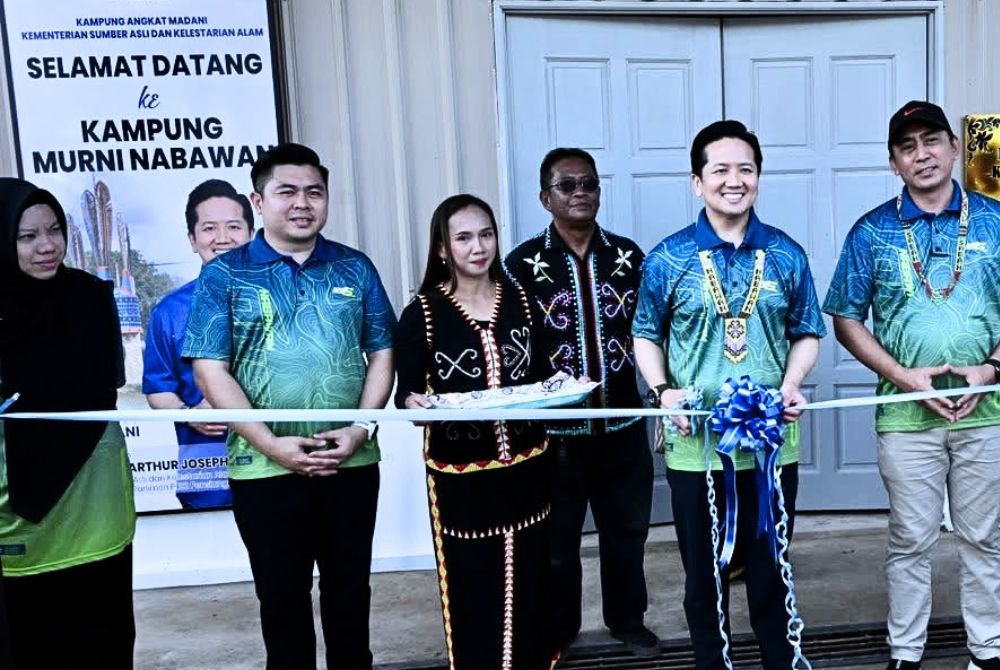
Two main projects have been implemented in the village, involving the reconstruction of its community hall and the upgrading of its futsal court.
The projects are intended to provide residents with better facilities for community activities, social gatherings and recreational programmes, while creating more opportunities for interaction among villagers.
NRES Minister Datuk Seri Arthur Joseph Kurup officiated the handover ceremony for the completed projects on Nov 7.
Beyond physical infrastructure, the programme also emphasises skills development through technical and vocational education and training (TVET), particularly for local youths.
This is being carried out through an On-the-Job Training (OTJT) initiative in collaboration with GIATMARA Keningau, which provides participants with practical exposure to technical work.
Under the initiative, local youths were trained to install 25 solar-powered street light poles around the village.
The installation improves lighting facilities while giving participants hands-on experience in technical work. The training could also equip them with practical skills that may be useful for future employment or income-generating opportunities.
The involvement of local youths reflects an approach that encourages community participation in development projects, allowing residents to contribute directly to improvements within their own village.
Such participation can also foster a greater sense of ownership and responsibility towards maintaining community facilities.
Among those attending the handover ceremony were NRES Senior Undersecretary (Management) Datuk Muhammad Ammir Haron, Nabawan District Officer Ts. Marshal Anthony @ Idham and Kampung Murni A Village Development and Security Committee chairman Justin Ilang.
The initiative demonstrates how rural development can combine better public facilities with skills training and community empowerment, ensuring that its benefits extend beyond physical construction.
Meanwhile, NRES has also carried out separate community and environmental initiatives in the Pensiangan parliamentary constituency, including a programme in Pagalungan that saw 40 villages receiving fruit tree saplings.
The saplings, comprising durian, jackfruit and rambutan, were distributed under the Malaysia Greening Programme to encourage agricultural activities and potentially provide additional sources of income for local communities.
The initiative was accompanied by a public awareness programme aimed at improving residents’ understanding of forest management and environmental conservation.
Although the Pagalungan initiative is separate from the MADANI Adopted Village Programme in Kampung Murni A, both reflect NRES’s wider engagement with rural communities in Sabah.
During the Pagalungan programme, attention was also drawn to development initiatives in the Sapulut, Pagalungan and Pensiangan areas.
Among those highlighted were road upgrading works leading to Pekan Pensiangan, the establishment of a coffee factory in Sapulut, and improvements to tamu and market facilities to provide better trading spaces for local traders.
Improved road access is expected to make travel easier for residents while creating opportunities for economic activities and the growth of local industries.
Better connectivity is also important for rural communities that depend on roads to transport agricultural produce, access markets and obtain essential services.
The establishment of a coffee factory in Sapulut could support local economic activity, while upgraded tamu and market facilities are expected to provide a more conducive environment for traders to conduct their businesses.
The Pagalungan programme also included briefings by various government agencies on forest management and environmental protection, alongside the distribution of more than 100 food baskets to people in need.
The activities brought together development, environmental awareness and welfare assistance, reflecting the importance of addressing different needs within rural communities.
The need to balance development with environmental protection was also highlighted, given that about 85 per cent of the Pensiangan parliamentary constituency is covered by forest.
The extensive forest area plays an important role in environmental conservation, including efforts to mitigate the effects of climate change.
For communities in the interior, responsible forest management is particularly important as development activities continue alongside the need to protect natural resources.
The local representative expressed the hope that Pensiangan could serve as a national example of how infrastructure development and environmental protection can progress together.
The initiatives in Nabawan and Pagalungan underline the importance of adopting a broader approach to rural development, one that combines infrastructure, economic opportunities, skills training and environmental awareness.
For Kampung Murni A, the MADANI Adopted Village Programme provides better community facilities while giving local youths opportunities to acquire practical technical skills.
In Pagalungan, the distribution of fruit tree saplings and improvements to local infrastructure offer opportunities to strengthen livelihoods and encourage sustainable economic activities.
Although the initiatives have different objectives, both highlight the importance of ensuring rural communities are active participants in development efforts.
Ultimately, rural development should not be measured solely by the number of projects completed, but also by the benefits they bring to residents.
By improving facilities, supporting skills development and encouraging economic participation while protecting natural resources, such initiatives can contribute towards building stronger and more resilient rural communities in Sabah.
