


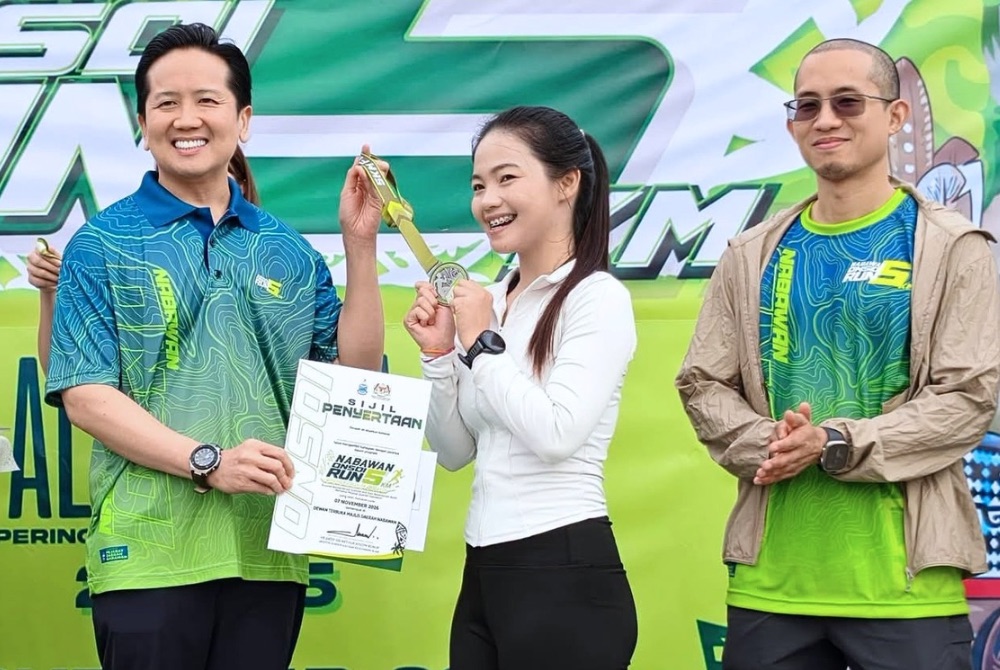
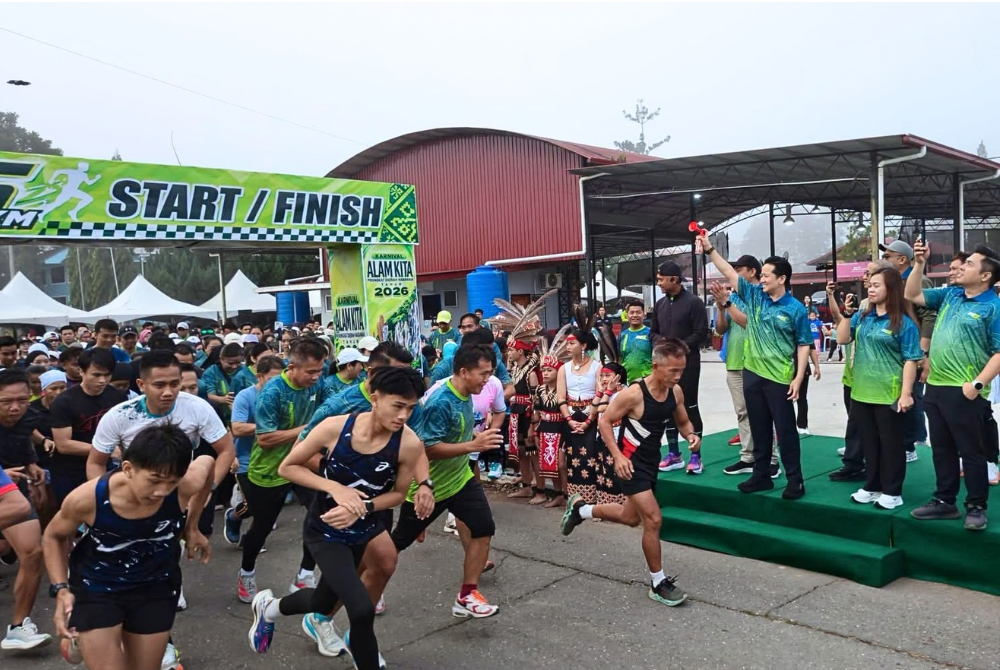
NABAWAN: More than 1,300 visitors and over 1,000 runners taking part in the five-kilometre Nabawan Onsoi Run made the 2026 Nabawan District Nature Carnival (KAK) an important platform to showcase the potential of the interior district in hosting community, tourism and environmental sustainability activities.
Held over two days on Nov 6 and 7 at the Nabawan District Council open hall, the carnival was more than a gathering for recreation. It highlighted how community development can go hand in hand with environmental conservation and efforts to strengthen the local economy.
Natural Resources and Environmental Sustainability Minister Datuk Seri Arthur Joseph Kurup said he was proud of the overwhelming response to the Nabawan Onsoi Run, which attracted more than 1,000 participants from various districts in Sabah.
He said the enthusiasm shown by the runners reflected growing public awareness of the importance of an active lifestyle, while sporting activities also provided an opportunity to strengthen ties among communities.
According to him, the run was also intended to promote tourism and stimulate the local economy, while demonstrating that Nabawan had the capacity to host major sporting events.
“We have proven that Nabawan is also capable of hosting a major running event such as this,” he said in a social media post on the programme.
Arthur said community-based activities that brought people closer to nature were in line with efforts to raise awareness about environmental conservation.
As Natural Resources and Environmental Sustainability Minister, he fully supported programmes that combined physical fitness, community development and education on the importance of protecting the environment.
Organised by the Ministry of Natural Resources and Environmental Sustainability (NRES) in collaboration with the Nabawan District Office, the carnival offered activities for people of all ages.
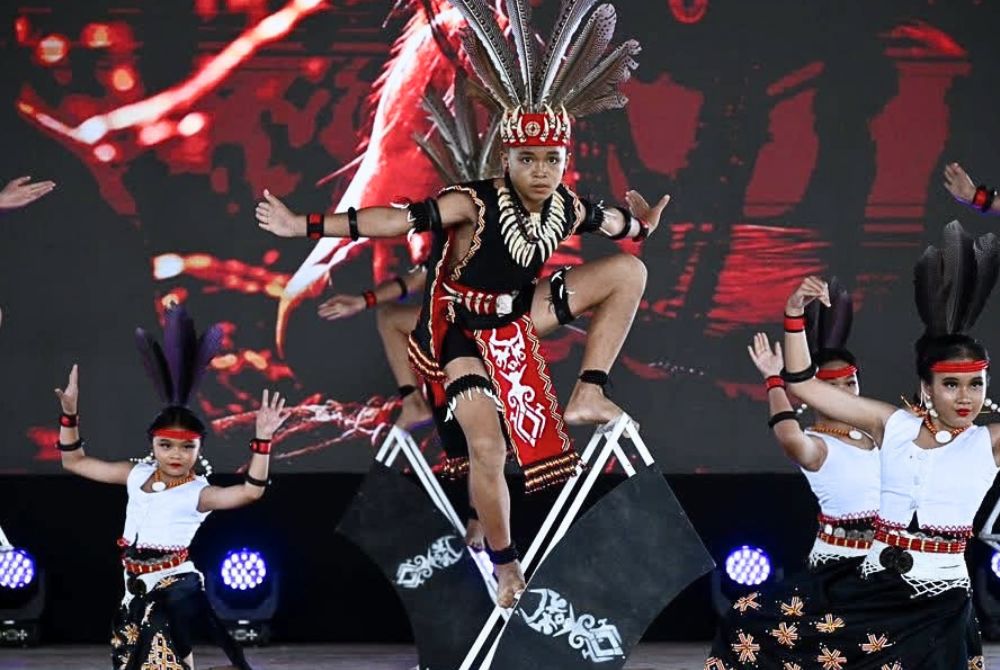
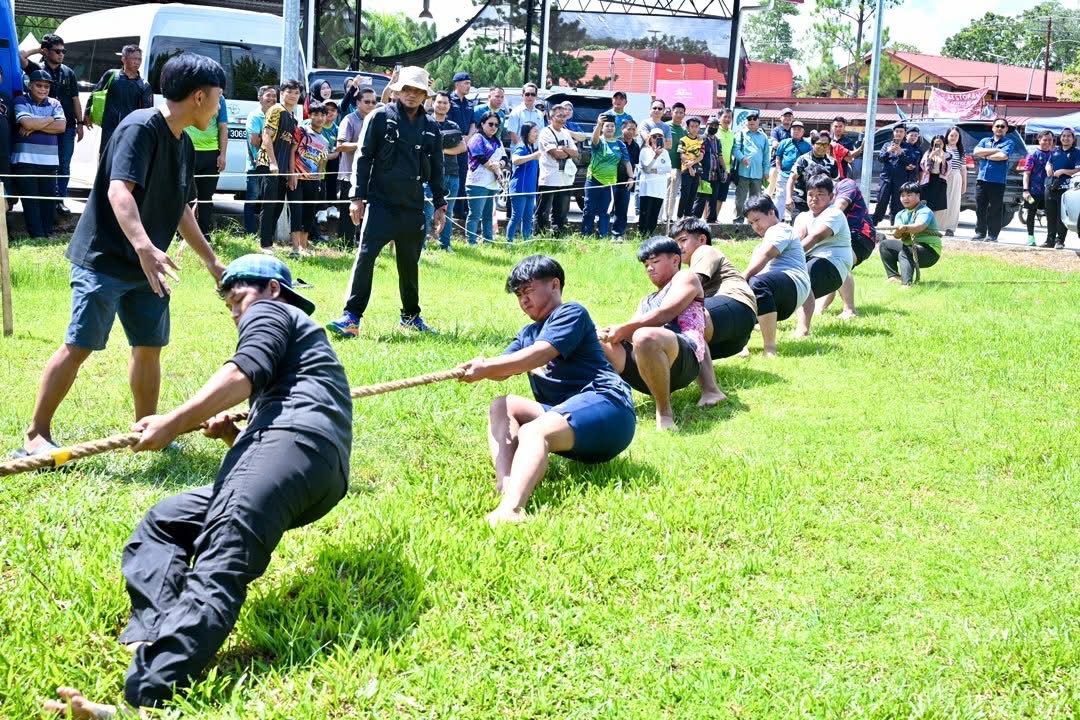
They included the Onsoi Run, traditional games, a flora design competition, environmental sustainability activities, exhibitions and government agency service counters, as well as religious talks and cultural performances.
The programme also provided an opportunity for NRES agencies to engage directly with the public, explain their respective roles and share practical ways of reducing environmental impact in daily life.
Activities such as the use of recycled materials and natural plants in the flora design competition, the Clean-Up While Exercising activity and tree planting helped bring environmental messages into the community.
Visitors could also access various public services in a relaxed setting, including health screenings and other agency facilities, while learning more about natural resource management and environmental protection.
However, efforts to bring development closer to Nabawan residents did not end with the carnival. On Nov 7, Arthur also officiated the handover ceremony for the NRES MADANI Adopted Village Programme 2026 in Kampung Murni A, focusing on basic facilities and youth skills development.
NRES allocated RM600,000 for the initiative, with RM500,000 channelled towards two main infrastructure projects: the reconstruction of the community hall and upgrading works at the futsal court.
The improved community hall is expected to provide residents with a more comfortable venue for meetings, community activities and local events.
Meanwhile, the upgraded futsal court will offer young people a better space to take part in sports, maintain an active lifestyle and develop their talents.
The initiative also placed emphasis on human capital development through a RM100,000 allocation for Technical and Vocational Education and Training (TVET), delivered through an On-the-Job Training (OTJT) approach.
Implemented in collaboration with GIATMARA Keningau, the training gave village youths practical experience in installing solar-powered lighting.
As a result, participants installed 25 solar streetlights at strategic locations around the village. The facilities are expected to improve lighting at night and enhance residents’ safety, particularly for women and children using the routes.
The use of solar lights also supports energy-saving efforts and reduces reliance on conventional electricity, in line with the ministry’s sustainability agenda.
More importantly, the participating youths received technical skills certificates in the renewable solar energy field. The exposure could provide a foundation for them to explore employment opportunities in the clean energy sector, which is attracting increasing attention.
The approach shows how a village development project can deliver multiple benefits. Residents gain improved facilities, while young people acquire knowledge and practical skills that could enhance their future employability.
The handover ceremony was also attended by NRES Senior Undersecretary (Management) Datuk Muhammad Ammir Haron, Nabawan District Officer Ts Marshal Anthony Idham and Kampung Murni A Village Development and Security Committee chairman Justin Ilang.
Arthur also urged residents to take care of the new facilities as shared assets and foster a spirit of cooperation and unity to ensure the benefits could be enjoyed over the long term.
Together, the Nature Carnival and the MADANI Adopted Village Programme reflect a community development approach that goes beyond physical infrastructure. It also takes into account environmental education, training opportunities, safety and public participation.
For Nabawan, an event that attracts participants from different districts could introduce the area’s attractions to a wider audience, while creating opportunities for small traders and local businesses to benefit from increased visitor numbers.
At the same time, the facilities in Kampung Murni A provide a foundation for more organised social and sporting activities, while solar training gives rural youths exposure to practical technical skills.
The next challenge is to ensure that the new facilities are properly maintained, the skills acquired are put to good use and environmental awareness programmes continue beyond the closing of the carnival.
Sustained cooperation between the ministry, government agencies, village leaders and residents will be crucial to ensuring that each initiative meets local needs.
By combining community tourism, healthy lifestyles, youth skills development and environmental protection, Nabawan has the opportunity to make such programmes a catalyst for more inclusive development, ensuring that their benefits are felt not only during the events but also in residents’ everyday lives.
