



Exploring the evolution of gambling through the ages
Origins of Gambling
The history of gambling dates back thousands of years, intertwining with human civilization’s development. The earliest known evidence of gambling can be traced to ancient China, where rudimentary forms of dice were used during the Shang Dynasty around 1600–1046 BC. This early form of gaming laid the groundwork for more structured gambling activities, demonstrating humanity’s inherent desire to wager and test their luck. Today, you can find a variety of options at Vipzino, which showcases the evolution of gambling in its many forms.

As civilizations evolved, so did their gambling practices. The Egyptians, Greeks, and Romans incorporated betting into their cultures, often linking it to social events, such as chariot races and gladiatorial contests. These activities not only provided entertainment but also fostered a sense of community among participants and spectators. The Romans even established a more organized betting system, which included various forms of gaming, from dice games to betting on the outcomes of athletic competitions.
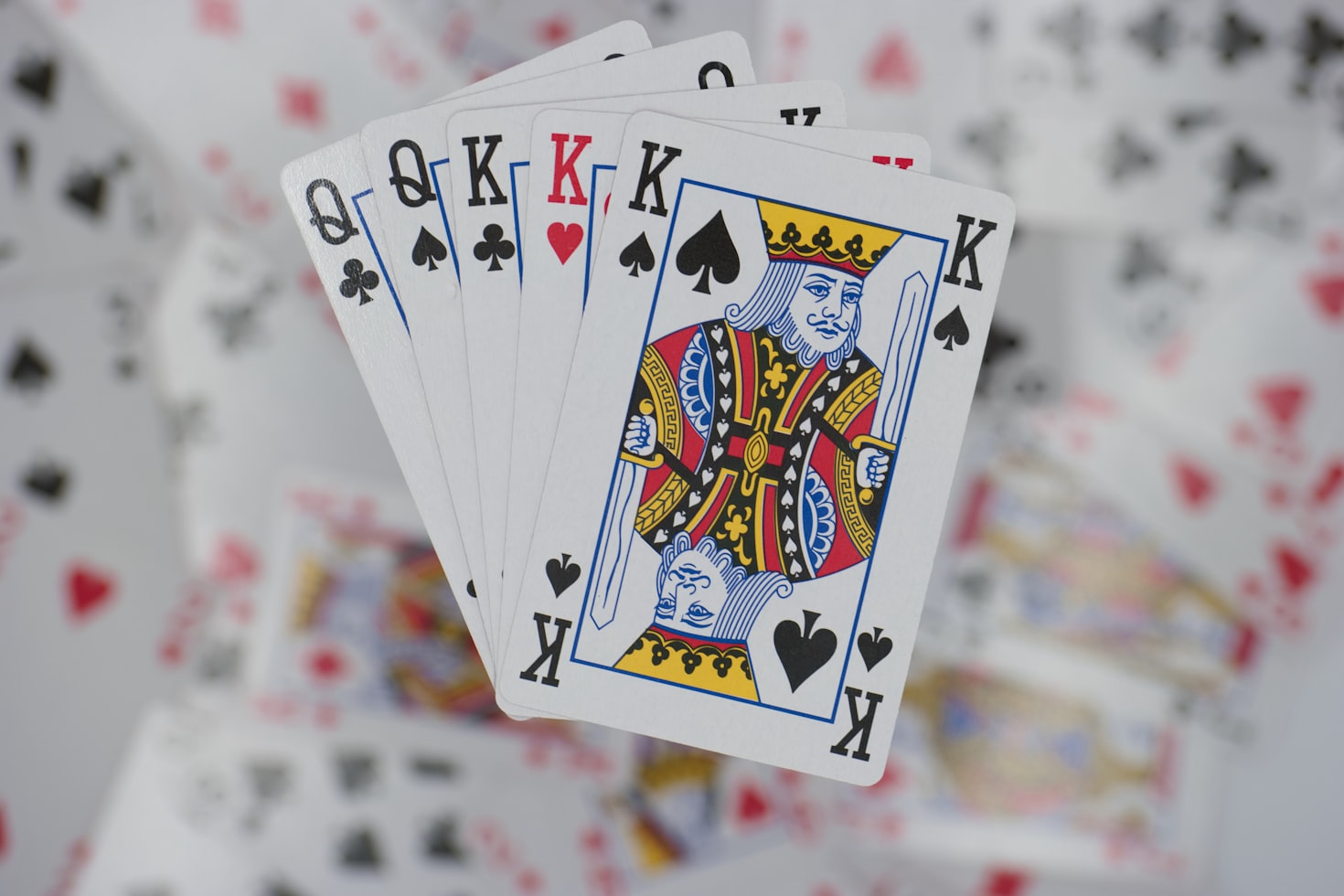
The spread of gambling practices continued across continents. The introduction of playing cards in Europe during the late Middle Ages marked a significant evolution, leading to a multitude of card games that are still popular today. With each passing era, the nature of gambling transformed, reflecting societal changes and technological advancements, leading us to the diverse forms of gambling we recognize today.
The Rise of Organized Gambling
The 17th and 18th centuries saw the rise of organized gambling establishments, particularly in Europe. The inception of official gambling houses and casinos began in this period, providing structured environments where individuals could engage in various games of chance. The first official casino, the Casino di Venezia, opened its doors in 1638, setting a precedent for others across Europe and eventually the world.
During this era, lotteries also gained immense popularity, providing governments with a means to raise funds while offering citizens a chance at wealth. The financial success of these lotteries prompted many European countries to establish national lotteries, further legitimizing gambling as a source of revenue. With the rise of gambling houses, the social dynamics shifted, allowing a broader audience to partake in gaming, from nobility to the common man.
This period also marked the formalization of rules and regulations governing gambling activities. The establishment of legal frameworks sought to address issues such as cheating and unfair practices. These regulations laid the groundwork for modern gambling laws, which prioritize player protection and fair play while ensuring the integrity of the gaming environment.
The Impact of Technology
As technology advanced, the gambling landscape transformed dramatically, particularly with the advent of the internet in the late 20th century. Online gambling emerged in the mid-1990s, allowing players to engage in their favorite games from the comfort of their homes. This digital revolution expanded the reach of gambling, attracting a new demographic of players who previously might not have participated in traditional casinos.
Online platforms introduced innovative features such as live dealer games, offering an immersive experience that mimicked the atmosphere of physical casinos. The convenience of mobile gambling further propelled the industry, enabling players to place bets anytime and anywhere. This shift changed the perception of gambling, making it more accessible while introducing new challenges related to regulation and responsible gaming.
Additionally, advancements in gaming technology have led to the development of sophisticated algorithms and random number generators, ensuring fair play and enhancing the gaming experience. Virtual reality casinos are on the horizon, promising to further revolutionize how players interact with gambling platforms, pushing the boundaries of what is possible in the gaming industry.
The Cultural Perspective on Gambling
Throughout history, cultural attitudes towards gambling have varied widely, influencing its acceptance and regulation across different societies. In some cultures, gambling has been embraced as a form of entertainment, while in others, it is viewed with skepticism or outright prohibition. This dichotomy is often rooted in religious beliefs, economic considerations, and social norms.
In many Asian cultures, games of chance such as Mahjong and Sic Bo are deeply ingrained in traditions and celebrations, often associated with good luck and prosperity. Conversely, in some Western countries, gambling has faced significant legal and moral opposition, leading to stringent regulations aimed at curbing its prevalence. This cultural lens shapes not only how gambling is conducted but also the narratives surrounding it.
Furthermore, the portrayal of gambling in popular media has contributed to its cultural significance. Movies, television shows, and literature often romanticize the allure of gambling, highlighting both its potential for wealth and the perils of addiction. This portrayal influences public perception and can either encourage participation or promote caution, reflecting society’s complex relationship with gambling.
Modern Gambling: Trends and Opportunities
Today, the gambling industry is one of the fastest-growing sectors globally, characterized by diverse opportunities and challenges. The rise of online casinos, sports betting, and esports gambling has created a dynamic environment where new trends continuously emerge. The integration of social media and online streaming platforms has transformed how players engage with gambling, fostering a sense of community among enthusiasts.
Moreover, the focus on responsible gaming is gaining traction, with operators implementing measures to ensure player safety and mitigate the risk of addiction. Educational initiatives, self-exclusion programs, and support for problem gamblers have become integral components of modern gambling operations. These efforts aim to balance the excitement of gaming with the necessity for player protection.
The regulatory landscape is also evolving, with many jurisdictions re-evaluating their gambling laws to accommodate new forms of gaming while ensuring fair play and consumer protection. As the industry continues to adapt to technological advancements and societal changes, the future of gambling appears promising, with opportunities for innovation and growth at every turn.
Experience Gambling at Vipzino Casino
For those looking to explore the exciting world of online gambling, Vipzino Casino offers a premier gaming destination tailored for UK players. With over 5,000 games, including slots, table games, and live dealer experiences, Vipzino provides a diverse range of options for every type of player. The commitment to a secure and licensed gaming environment ensures a safe and enjoyable experience.
Vipzino Casino also features exciting bonuses and promotions, enhancing the overall gaming journey while providing players with opportunities to maximize their winnings. With swift payouts and top-notch customer support available 24/7, players can enjoy peace of mind knowing that their gaming experience is backed by professional assistance whenever needed.
Join Vipzino today for a thrilling online casino adventure that combines entertainment, security, and rewarding opportunities, embracing the rich history and evolution of gambling while paving the way for future gaming innovations.
